
What Is Link Building and Why Is It Important for SEO?
Link building is the process of creating a network of links around a website. This process can be complex because it includes both external and internal links. External links can be acquired from other websites across the web. Internal linking includes connections between pages on your own website, while outbound links lead from your website to external resources.
Why are links so important for a website?
Links are one of the foundations of how the web works. Websites that earn relevant, high-quality links can build stronger authority and visibility in search results. On the other hand, websites with little or no meaningful linking can find it more difficult to gain visibility. Without visibility, reaching potential customers becomes much harder. This is why building useful internal links and earning relevant links from other websites is important not only for SEO but also for businesses that want to strengthen their online presence.
In this article, we will explore what links are, what link building means, and why it matters for business growth. We will also share several good practices that can be part of a successful link-building strategy and help improve your website’s search visibility.
What Is Link Building?
Link building is an important part of every successful search engine optimization strategy (SEO), because it can help strengthen a website’s authority and improve its visibility in the SERPs.
Search engines use links to discover, crawl, and understand websites. Links can also help them understand how individual pages relate to the broader topic of a website and whether those pages may be relevant to users searching for particular information, products, or services.
This does not mean that the more links a website has, the better it will rank. The process is more complex than that. Search engines also evaluate the quality and relevance of the links pointing to and from a website. In many cases, a smaller number of strong, relevant links is more valuable than a large number of low-quality links.
How to Build Links to Your Website
Link building can involve a variety of approaches for earning links from other websites, such as:
- creating content for websites;
- building relationships with influential people in your niche and connecting with their websites;
- creating case studies that can link from a satisfied client’s website back to your own;
- earning positive mentions, reviews, and recommendations for your product or service;
- requesting attribution links for your images when they are used on other websites.
These are only some of the ways to earn links to your website. A complete linking strategy also includes internal links and outbound links.
Let us take a closer look at how these types of links work and why their quality matters.
Internal Links vs External Links – What Is the Difference?
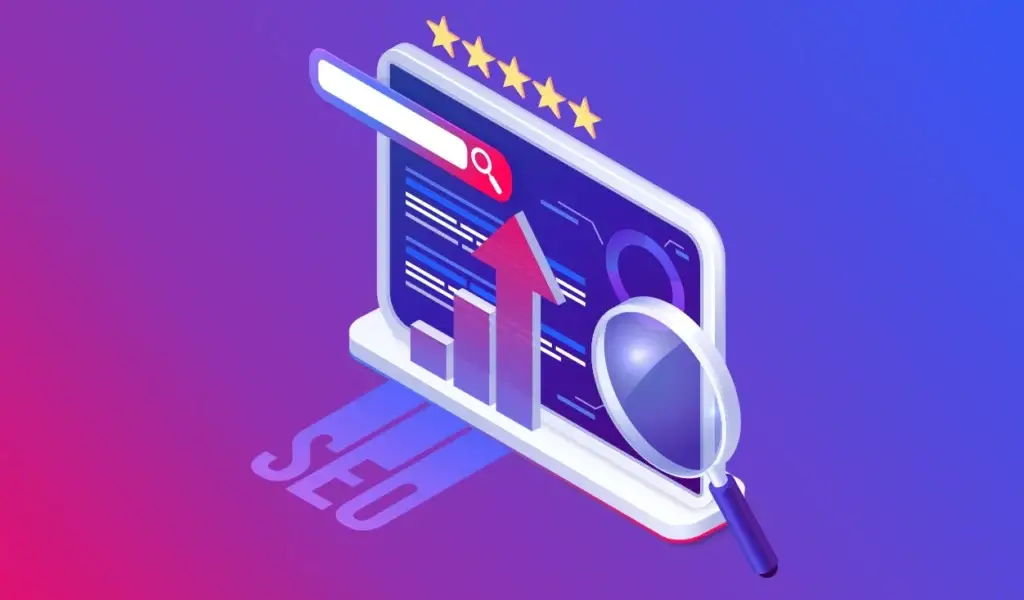
Internal links connect one page on a website to another page on the same domain. External links point from a page on your website to a page on a different domain. Put simply, internal links connect your own pages, while outbound links lead users to external websites.
What Are Inbound External Links?
These are links placed on other websites that send users to your website when clicked. They can come from:
- blogs;
- forums;
- social media posts;
- product or service reviews, for example on Amazon or Google;
- websites related to your industry or topic;
- case studies and other relevant resources.
Building high-quality inbound links is an important part of a broader link-building strategy. Connections between your website and other reputable websites, especially when they are relevant to your industry, can support authority, visibility, and stronger search performance. Links from other websites can also bring referral traffic and help strengthen trust in your brand.
Creating a Strategy for Earning High-Quality External Links
One of the most effective ways to earn external links is to create exceptional content that is both high quality and relevant to your website’s topic. You can then use that content to attract backlinks from other websites. This may include blog posts, infographics, videos, podcasts, or other resources that provide genuine value to your audience.
You can also contact people in your industry – bloggers, established professionals, or influencers – to explore whether you can contribute a guest article to their websites.
Guest blogging involves creating content for another website, sometimes including a relevant link back to your own website. This should be approached carefully to ensure that the content genuinely matches the topic and audience of the website where it is published.
Building relationships with website owners, bloggers, and industry professionals can increase your chances of earning relevant links. It is important to be selective and focus on websites that are trustworthy, authoritative, and genuinely connected to your niche.
The Risks of Paid and Spam Links
Avoid so-called “black hat” SEO tactics, such as paying for large volumes of links from spammy or low-quality websites. Although such tactics may occasionally produce short-term movement, they can create long-term risk because the links come from unreliable sources and may violate search engine spam policies.
What Are Internal Links?
As we have already seen, there are two major areas to consider when building a strong link profile: earning external links and creating a useful network of internal links. External links often require cooperation from other website owners, while internal linking is much easier to control because it happens entirely within your own website. It still requires planning and time, but the effort is worthwhile.
Investing time in a well-organized internal linking strategy can strengthen the relationship between your pages and support your website’s overall SEO structure.
Every page that you want search engine bots to discover and index should ideally be accessible through at least one crawlable internal link. You can strengthen your internal linking by connecting related blog posts, category pages, service pages, and product pages instead of directing visitors only to the homepage.
Having a blog can be particularly useful when building internal links. In addition to providing valuable information, blog content creates more opportunities to link naturally to relevant products, services, and other important internal pages.
Benefits of Link Building for SEO
Link building can be time-consuming and challenging, but it remains an important part of successful SEO.
Two of the main reasons link building matters are its potential contribution to search visibility and its ability to help target customers discover your business.
Other benefits of a well-planned and properly executed link-building strategy include:
Stronger Domain Metrics and Website Authority
Metrics such as Domain Rating (DR) can be useful third-party indicators when evaluating the strength of a website’s backlink profile. They are not Google ranking metrics, but a strong profile of relevant, authoritative backlinks can support a website’s overall search visibility.
Greater Visibility in Search Engine Results Pages (SERPs)
Greater visibility in the SERPs means that a business and its website are easier to discover when users search for a specific product or service. This can lead to more website traffic, more potential customers, and additional sales opportunities.
Improved Organic Rankings and Website Traffic
Organic search visibility refers to appearing in search results without paying for placement. By consistently publishing useful content and earning relevant links as part of a strong link-building strategy, your website can improve its chances of performing well organically and attracting more qualified traffic.
More Referral Traffic from Other Websites
Referral traffic from other websites can be an important source of visitors. When relevant websites link to your content, new users can discover your brand and potentially become customers. Referral links can expand your reach, increase visibility, and generate valuable engagement, especially when they come from websites whose audiences closely match your own.
Improved Brand Awareness and User Trust
Greater brand awareness and stronger user trust are valuable for any business. When your brand appears on respected websites and is referenced by trusted sources, it can become more visible and credible to the target audience.
The Opportunity to Reach New Audiences
Reaching new audiences is an important part of business growth. Relevant links from other websites can introduce your brand to people who may not have discovered it otherwise, helping you expand reach, build awareness, and potentially attract new customers.
Challenges and Best Practices in Professional Link Building
Link building is an important part of SEO, and its benefits can be wide-ranging. A well-designed and properly executed strategy can support website authority, improve organic search visibility, and attract more traffic. However, developing a strong link-building strategy for inbound, outbound, and internal links can be challenging and requires several important best practices:
Identify Relevant Websites for Link Acquisition
Identifying suitable websites from which to earn links is an important part of developing a successful link acquisition strategy. Make sure the websites are relevant to your niche, have a good reputation, and provide trustworthy information.
When evaluating potential websites, also review the quality of their content. It should be well written, useful, and not misleading. Ideally, the websites should also be maintained regularly and provide a good user experience.
It can also be useful to evaluate the website’s authority using a combination of SEO metrics and qualitative checks. Third-party metrics can provide context, but relevance, editorial quality, real traffic, and trustworthiness should also be considered.
Manage Relationships with Website Owners and Editors
Developing strong relationships with the people behind websites you want to collaborate with should not be underestimated. Communication with bloggers, website owners, editors, and other respected content creators can help create genuine opportunities for relevant, high-quality links.
These relationships can also help link-building activities develop naturally rather than looking like spam or manipulative schemes. Strong industry connections may reveal valuable link opportunities that were not obvious at the beginning of a campaign.
Keep Up with the Latest Trends and Google Spam Policy Updates
Google regularly updates its spam policies and systems to reduce manipulative behavior in search. Monitoring these changes is important if you want your link-building strategy to remain sustainable and avoid practices that could create unnecessary risk.
To stay informed, regularly review Google Search Console and official Google Search documentation. You can also follow announcements and updates to Google’s spam policies HERE.
It is also useful to stay informed about new systems and tools Google introduces to combat spam. Keeping your practices up to date can help protect your website from unnecessary risk.
Prioritize Quality Over Quantity When Acquiring Links
When acquiring external links, quality should take priority over quantity. Strong links typically come from reputable, authoritative, and contextually relevant sources that add genuine value for users.
Low-quality links from so-called link farms or unrelated websites can create risk rather than value. That is why it is important to focus on links from websites that are trustworthy and thematically connected to the content being linked.
It is also important for the link acquisition process to happen in a natural, editorially justified way so that it does not resemble a manipulative link scheme.
Use Only White-Hat Link-Building Techniques
White-hat link building focuses on ethical and sustainable methods for improving a website’s online presence. This includes earning high-quality, natural links from authoritative and relevant websites through useful content, digital PR, guest contributions, partnerships, and other legitimate techniques.
Balance Link-Building Costs Against Expected SEO Benefits
The cost of link building should be considered alongside the potential SEO and business benefits. Link acquisition can require significant resources, but it can also support visibility, referral traffic, and search performance when executed well. At the same time, link building should not be treated in isolation – technical SEO, content quality, internal linking, user experience, and other areas may sometimes deserve higher priority.
It is also important to understand that SEO optimization is not a one-time activity. It is an ongoing process that requires regular monitoring and improvement to help a website remain visible and competitive.
Be Patient – Link Building Takes Time
Link building is a long-term process, but it can provide significant benefits and remains an important part of a broader SEO strategy. By earning relevant links from other websites, you can strengthen visibility, authority, referral traffic, and overall online presence. When your website becomes a genuinely useful resource that others want to reference, it can create sustainable opportunities for stronger organic performance.
In this article, we explored link building and the role links play within a website and across the web. Search engines use links as one of many signals to discover pages, understand relationships between content, and evaluate the broader context of websites. That is why link building remains an important part of a strategy for improving organic visibility.
A well-planned link-building strategy, supported by relevant links from reputable websites and a strong internal linking structure, can show that your content is useful and connected to the wider web. Internal and external links can also make it easier for search engines such as Google and Bing to crawl, understand, and discover your content.
If you want to build high-quality links but are having difficulty creating or implementing the right strategy, our experienced team is here to help.